
GPMS TRANSPORTAL APPLIED AI COURSES
Use Case 32 - Eco Governance
Imagine a world where our planet itself becomes intelligent - where forests can signal distress before they burn, where rivers can warn us about pollution, and
where cities can plan their growth without harming nature.
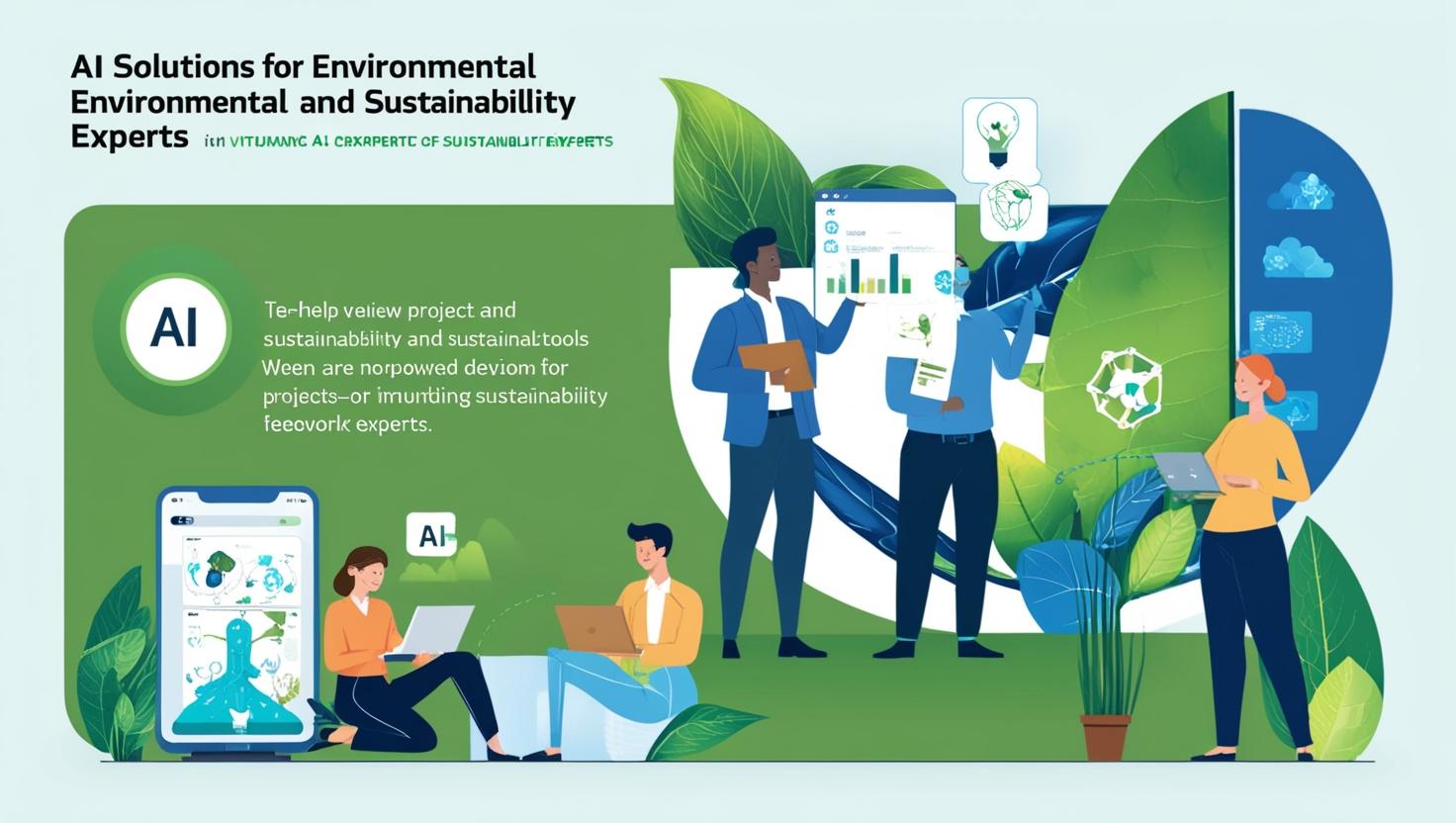
That's what EcoGovernance is about - using the power of Artificial Intelligence to help humanity take better care of the Earth. Al here doesn't replace people; it helps them make smarter, faster, and more sustainable decisions for our environment, cities, and future generations.
From predicting climate shifts to optimizing renewable energy, EcoGovernance is where data meets compassion, and technology becomes a partner in preservation.
That's what EcoGovernance is about - using the power of Artificial Intelligence to help humanity take better care of the Earth. Al here doesn't replace people; it helps them make smarter, faster, and more sustainable decisions for our environment, cities, and future generations.
From predicting climate shifts to optimizing renewable energy, EcoGovernance is where data meets compassion, and technology becomes a partner in preservation.
1.Climate Pattern Predictor
Al studies huge amounts of weather and climate data from satellites and sensors to predict storms, heatwaves, and droughts with high accuracy. This helps farmers plan their crops, cities prepare for floods, and countries create early warning systems. Instead of reacting to disasters, we can now prevent them - saving lives, time, and resources.2. Smart Waste Management System
In smart cities, Al helps manage waste efficiently. Sensors track which bins are full, while Al plans the best collection routes to save fuel and reduce pollution. Computer vision systems can even separate recyclables automatically. The result? Cleaner cities and reduced carbon emissions, all guided by intelligent management.3. Deforestation & Biodiversity Sentinel
Using Al-powered satellite imagery, forests and wildlife habitats can be monitored in real time. The system detects illegal logging, forest fires, or loss of biodiversity and immediately alerts authorities. This model helps protect endangered species and maintain the natural balance - becoming the planet's digital watchdog for nature.4. Water Quality Guardian
Al can analyze data from thousands of water sensors to detect pollution, oil spills, or chemical leaks in rivers, lakes, and oceans. It gives early warnings to environmental agencies, helping them respond quickly and prevent ecological damage. The system can also track how water quality changes over time, ensuring safe drinking water for communities.5. Carbon Footprint Tracker
Every action - from factory production to transport - leaves a carbon trace. This Al system measures how much carbon is released into the air and helps companies track and reduce emissions. It can suggest greener alternatives, optimize supply chains, and visualize progress toward carbon neutrality - helping industries make sustainability measurable and achievable.smoothly and reliably, minimizing downtime and maximizing productivity.6. Smart Agriculture Steward
Al-powered agriculture models use drone images, soil data, and weather patterns to guide farmers on how to use less water, fertilizers, and pesticides while growing healthier crops. The result is a balance between high productivity and environmental care. Al becomes a digital advisor to farmers, helping them grow sustainably and profitably.7. Disaster Response & Recovery Assistant
During natural disasters, Al systems can analyze real-time data from satellites and cameras to identify damaged areas, predict aftershocks, and guide rescue teams. This improves coordination, reduces loss, and speeds up recovery. When human response time matters most, Al provides the clarity needed to save lives.8. Urban Green Planner
Al can help urban planners design eco-friendly cities by analyzing traffic, population density, and pollution levels. It can suggest where to plant trees, build parks, or introduce green rooftops. These insights lead to cooler, healthier, and more sustainable cities, improving the quality of life for everyone.9. Renewable Energy Optimizer
Al monitors and predicts how much energy will be produced from solar panels, wind turbines, or hydropower plants. It helps manage the balance between energy supply and demand, storing excess power efficiently. This model helps create smart energy grids that reduce waste and make renewable power more reliable.10. EcoPolicy Advisor
Governments face tough choices balancing growth and conservation. Al helps simulate different scenarios - showing how a policy might affect the economy, environment, or public health. Decision-makers can then see long-term outcomes before acting, allowing for smarter, fairer, and greener policies that protect both people and the planet.Conclusion
EcoGovernance isn't just about technology - it's about rethinking how humanity interacts with the Earth.In this course, learners will explore how Al models like these are shaping the new frontier of environmental intelligence. Each example reflects how we can use freely available global data - from satellite imagery to open government databases to build systems that protect, restore, and sustain life.
This is the future of leadership and responsibility where innovation meets care,and Al becomes the voice of the planet itself.